Untangling grammar and flagging repeated phrases in the text.
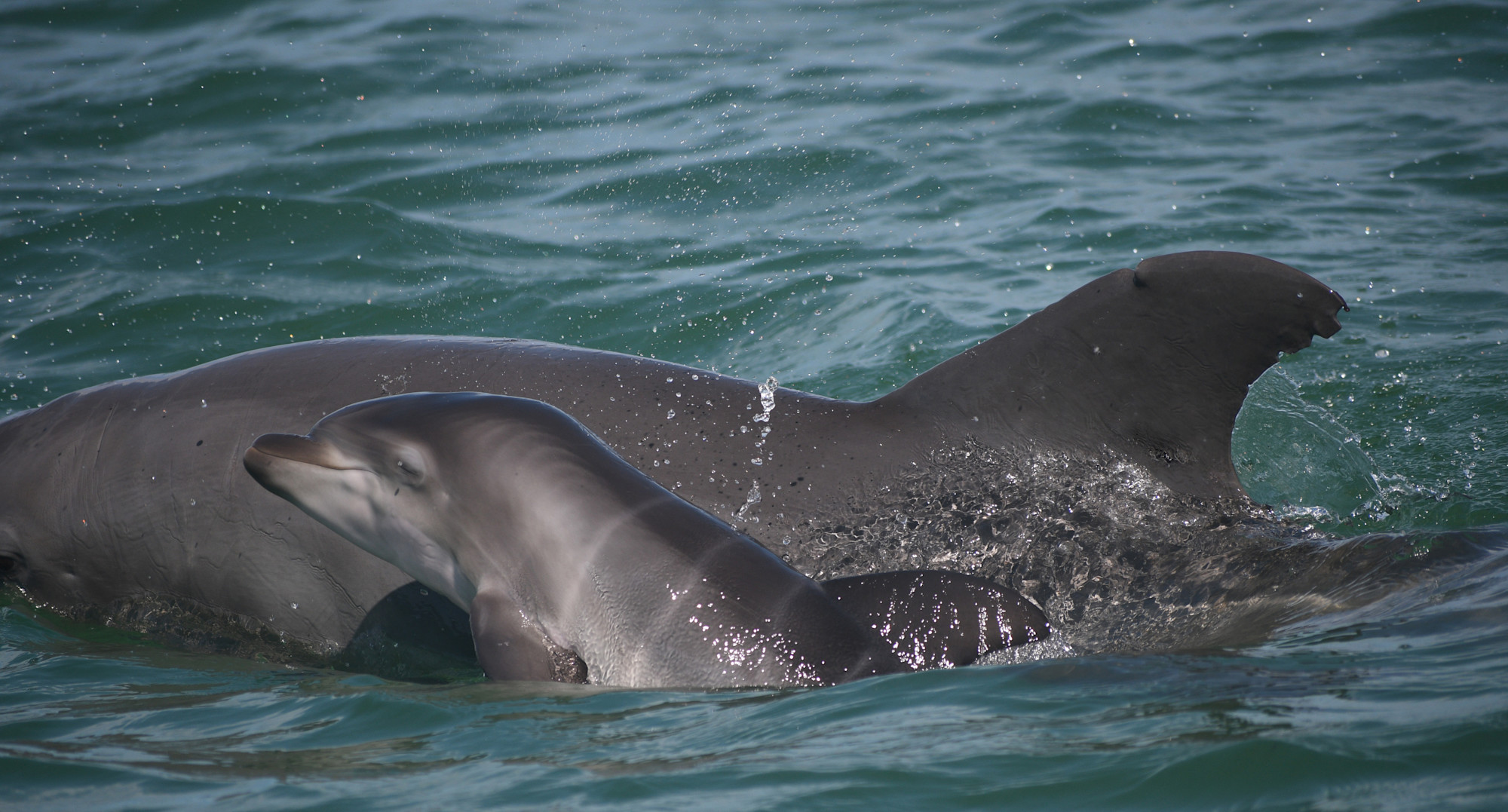
Ginger, a bottlenose dolphin pulled from a Siesta Key beach as a sick 3-year-old around 2008, is now a grandmother in Sarasota Bay.
Researchers with the Sarasota Dolphin Research Program spotted Ginger's daughter Nori swimming with her first calf in August, Sarasota Magazine first reported. The newborn marks the fifth known generation of the family in the bay.
Ginger isn't the only rescued dolphin to reach that mark. Another rescued dolphin, Nellie, also became a grandmother in 2026 after her daughter Harper was spotted with a first calf shortly after Nori's was seen.
"It's a little rescue dolphin grandbaby boom," Katie McHugh, the program's director, told Sarasota Magazine.
McHugh was a graduate student when Ginger stranded. She helped monitor the young dolphin after her release and has watched the family grow for nearly two decades.
A rescue built to stay wild
Ginger was already a familiar fin to program researchers when she washed ashore. She was a third-generation Sarasota Bay resident whose grandmother had been tagged for monitoring more than 30 years earlier. Before the stranding, the team had noticed Ginger spending more time away from her mother, Edamommy, and newborn brother, Wasabi, separating earlier than most young dolphins do.
She was taken to Mote Marine Laboratory's Dolphin and Whale Hospital. The rehab team fed her live pinfish instead of dead fish to preserve her hunting instincts. No humans were visible during feedings, keeping her from associating food with people.
Two months later, she was released. She was healthy, with a belly full of pinfish, and still wild.
Five generations in one bay
The Sarasota Dolphin Research Program, founded in 1970, is the world's longest-running study of a wild dolphin population. Its researchers conduct monthly surveys from south of Venice Inlet through South Tampa Bay, identifying individual dolphins by the unique nicks and notches on their dorsal fins, patterns as distinct as fingerprints.
The program, based at Mote Marine Laboratory and staffed by Brookfield Zoo Chicago, tracks about 170 bottlenose dolphins that live in the bay year-round. Some are up to 67 years old. Since 1985, the program has helped rescue 37 bottlenose dolphins in the southeastern United States, 14 of them in its Sarasota Bay study area.
Nori's calf doesn't have a name yet. It goes by catalog number 2891, a designation showing it is the first offspring of Nori, catalog number F289. A nickname will likely come after the calf's first health assessment, expected between ages 2 and 4.
McHugh said the sighting shows what one successful rescue can mean for a resident dolphin community. She told Sarasota Magazine that saving young females "can really, really support these local resident communities of animals. Every individual is critical."


.jpg)