Visitors to The Bay Park in downtown Sarasota will soon have a new way to experience Sarasota Bay: listening to dolphins, fish and other sounds beneath the water's surface.
The Sarasota Bay Estuary Program and local research partners are developing acoustic listening stations that will allow park visitors to explore underwater sounds while helping scientists study marine wildlife, according to an Oct. 8 announcement from the estuary program.
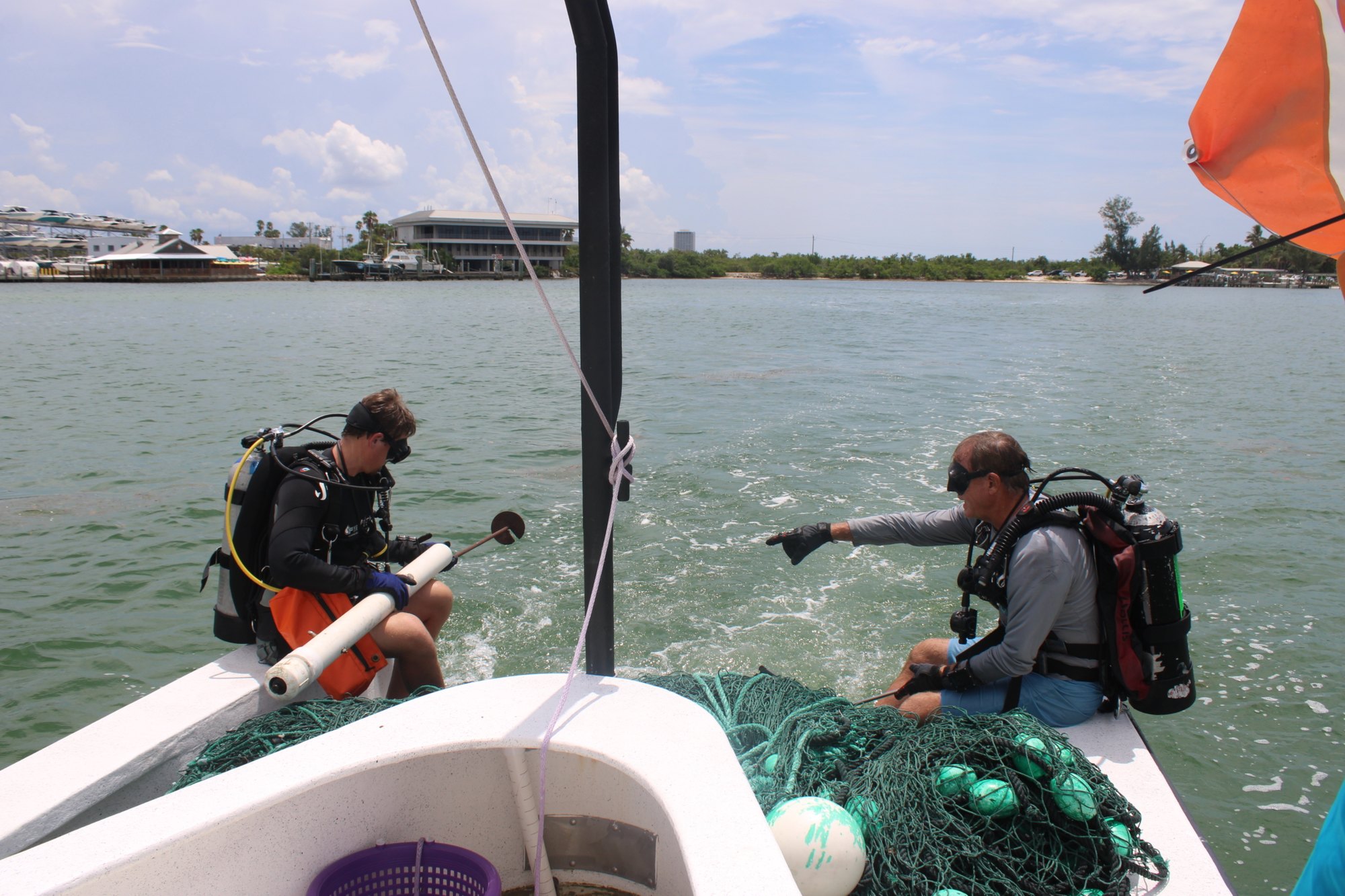
The installation is part of the Sarasota Passive Acoustic Listening Stations (PALS) Network, a collaboration led by the Sarasota Dolphin Research Program.
The project combines hydrophones, which record underwater sounds, with acoustic receivers that detect signals from tagged marine animals. The information helps researchers understand animal movements, habitat use and the effects of human activity.
Listening stations reveal underwater activity
The network brings together two research systems: the Sarasota Coast Acoustic Network (SCAN) and the Sarasota Bay Listening Network (SBLN).
SCAN uses approximately 70 underwater receivers to track tagged sharks, rays, fish and other marine animals. SBLN records sounds throughout the bay, including dolphin whistles, fish calls, boat engines and storms.
The new Bay Park installation will bring that research closer to the public, giving visitors an opportunity to discover the underwater environment beyond what they can see from shore.
"You attract people by the coolness of these animals … talking about some of these interesting findings on animal movements and habitat use," said Kim Bassos-Hull, a SCAN co-leader and researcher with Mote Marine Laboratory's Sharks and Rays Conservation Research Program.
"Sparking somebody's interest is the first step in leading them to care about the environment."
Bassos-Hull works with Krystan Wilkinson of Brookfield Zoo Chicago's Sarasota Dolphin Research Program to study marine animal movements across the region.
Tagged rays reveal surprising journeys
The monitoring network has helped researchers document how marine animals move through Sarasota Bay and beyond.
A whitespotted eagle ray nicknamed Flash has repeatedly returned to New Pass since March, demonstrating what scientists call site fidelity, or a tendency to revisit particular locations.
Other tagged animals have traveled much farther. Researchers documented a bull shark moving from Sarasota waters to the New York coast and an eagle ray reaching Cancún, Mexico.
Bassos-Hull's team has sampled and tagged more than 700 whitespotted eagle rays and 200 Atlantic pygmy devil rays.
The research also reveals hazards facing wildlife. Scientists have documented eagle rays injured by boat strikes and fishing gear, underscoring the challenges of sharing shallow coastal waters with recreational boaters and anglers.
Wilkinson and her colleagues hope the findings will encourage people to understand how their activities affect marine animals.
Dolphin recordings support new research
The Sarasota Bay Listening Network has collected extensive underwater recordings since 2017, giving researchers a growing archive of marine sounds.
Scientists are working with Woods Hole Oceanographic Institution and the University of St Andrews to develop artificial intelligence tools capable of identifying individual dolphins through their distinctive whistles.
The Sarasota Dolphin Research Program uses acoustic monitoring to study dolphin behavior, track animal activity and better understand changes in the bay's underwater environment.
The public listening project comes as The Bay celebrates its fourth anniversary.
The waterfront park opened in October 2022 and has welcomed more than 1.2 million visits, according to The Bay Park Conservancy.
Its monthlong anniversary celebration continues through Sunday, Nov. 1, with more than 70 free events, including concerts, outdoor activities and family programs.
An opening date for the new acoustic listening stations has not been announced.




.jpg)