Save Our Seabirds unveiled five new aviaries and a renovated education center on City Island on Sunday, Oct. 25. The ribbon cutting capped three years of campus improvements totaling more than $300,000, despite two hurricanes and persistent supply-chain delays.
Donors, volunteers, board members and neighbors gathered beneath solar panels on the campus that evening for a champagne toast, according to LBK News.
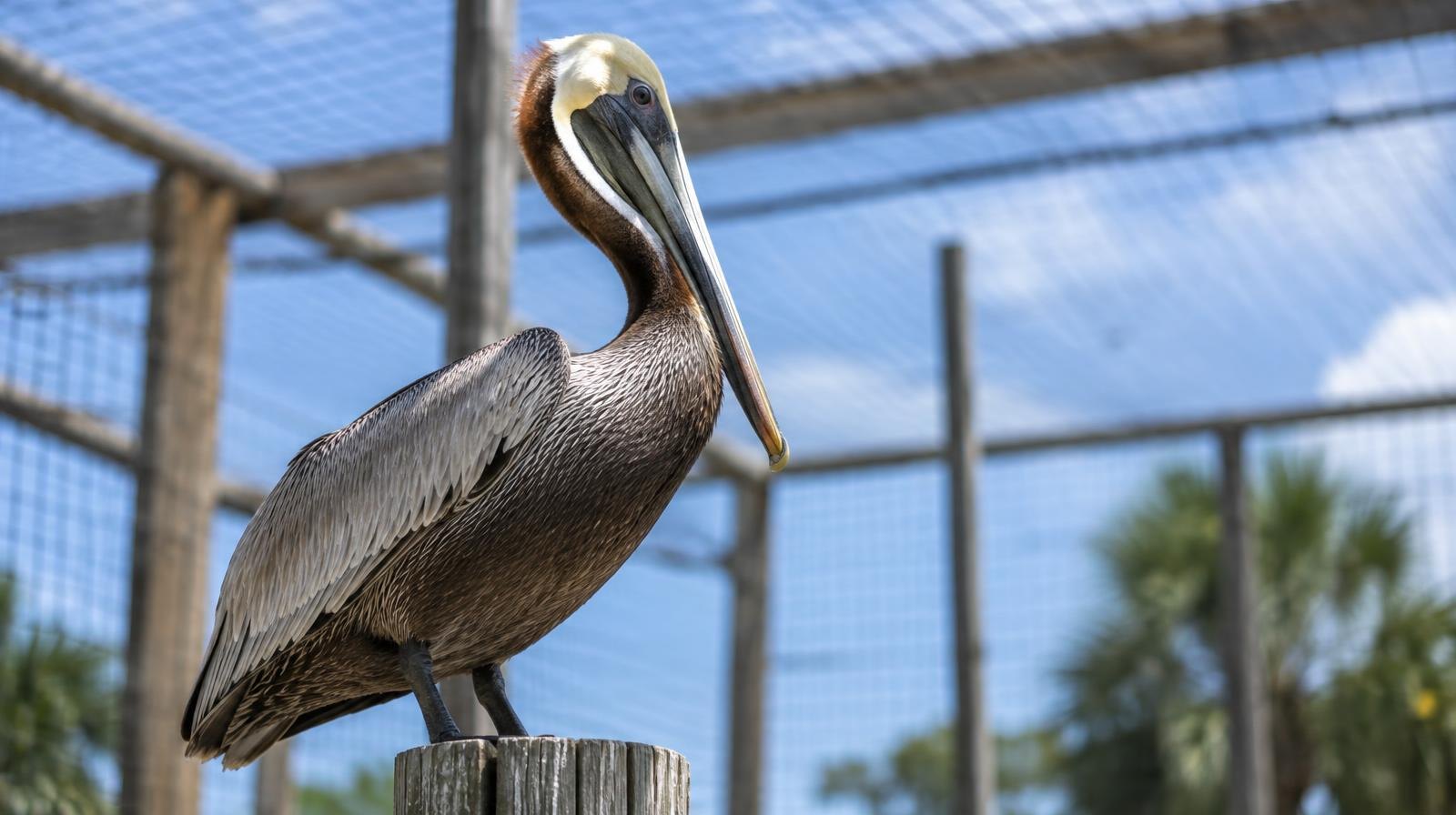
The five aviaries now house 21 resident birds. The event also included the dedication of the Gaynes Education Center, named for longtime supporters Dr. Philip and Suzan Gaynes. Combined with eight renovated habitats and 60 new interpretive signs along the public bird walk, the improvements total more than $300,000, LBK News reported.
Board Chair Linda Mitchell called the project Phase 1 and was candid about the path to get there.
"It has been a tough three years getting to this point, and it took almost three times longer than any of us could have imagined," Mitchell said, according to LBK News. "… We had supply challenges, shipping setbacks, hurricanes, unforeseen irrigation issues, and so on."
In 2024, Hurricanes Helene and Milton pushed roughly three and a half feet of storm surge across the campus, flooding enclosures and killing vegetation, LBK News reported. Staff borrowed a Sarasota Police Department boat to check on the birds. Every bird survived.
Built to outlast the salt air
Many of the old enclosures dated to the Pelican Man era, built of wood that had soaked up decades of salt air and storms. Sarasota-based Mullet's Aluminum Products fabricated the new structures. The aluminum won't rot the way the old wood did, LBK News reported.
Donors contributed $160,000 to underwrite the five aviaries, and their names now appear on the structures. Leo Kissling, Save Our Seabirds' director of facilities and grounds, wielded the oversized gold scissors at the ribbon cutting beside the native songbirds aviary.
Executive Director Brian Walton led attendees first to the outdoor classroom for the Gaynes Education Center unveiling, Your Observer reported. Walton said the improvements would not have been possible without the community's expertise, volunteerism and philanthropy.
Hospital first, sanctuary second
Save Our Seabirds is an avian hospital, not a zoo. The organization answers more than 5,000 distress calls a year and admits more than 1,400 injured and orphaned birds annually, according to LBK News. Its mission: rescue, rehabilitate, release. About 100 birds that can never safely return to the wild become permanent residents.
The site dates to 1988, when Dale Shields, known as "The Pelican Man," opened what became one of Florida's largest bird sanctuaries. It closed in 2006. Two years later, Lee Fox and Ann Anderson founded Save Our Seabirds to carry the mission forward. Admission has stayed free, 365 days a year.
What comes next
Mitchell said the organization hopes to build a large pelican enclosure, new habitats for parrots, a gazebo, a pond fed by new irrigation and a new boardwalk as part of Phase 2, according to LBK News.
The work follows a 2024 site master plan developed with DSDG Architects. That plan also calls for stormwater improvements and, longer term, a new avian hospital on an elevated footprint. Earlier planning figures put the campus at 32 enclosures needing eventual replacement at roughly $35,000 apiece.
Mitchell said donor funding is critical to making the remaining improvements happen.
Save Our Seabirds is at 1708 Ken Thompson Parkway on City Island in Sarasota. The center is open daily from 10 a.m. to 5 p.m., with free admission. For information or to report an injured bird, visit saveourseabirds.org or call 941-388-3010. An after-hours bird intake box is available beside the rear hospital entrance.