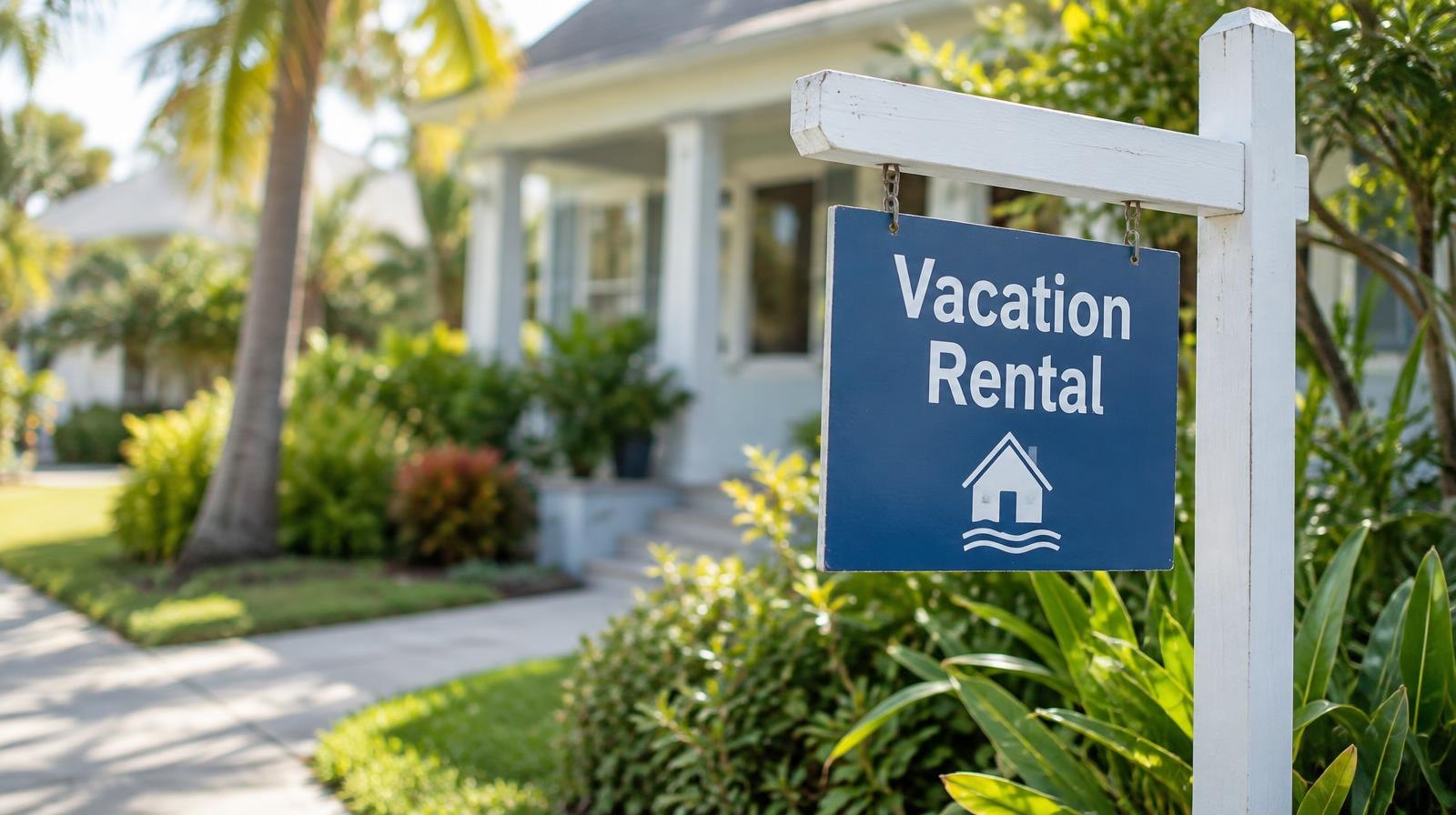
Sarasota vacation rental operators could face higher registration fees and stricter oversight after the City Commission advanced two ordinances Monday, Oct. 19, that would expand regulations into additional neighborhoods and overhaul the city's compliance program.
One ordinance would extend the city's vacation rental rules to approximately 50 properties in the Downtown Neighborhood (DTN) zoning district, which includes portions of Gillespie Park and Park East. The other would revise the compliance program and increase annual registration fees by approximately 70%, according to WTSP.
Both measures passed first reading but require a second vote before taking effect.
Gillespie Park seeks oversight
The DTN district was excluded when Sarasota expanded its vacation rental regulations citywide in 2024 because the ordinance applied to specific residential zoning classifications. Neighborhood residents have since pushed to close that gap.
Kelly Brown, president of the Gillespie Park Neighborhood Association, told commissioners that residents have sought coverage under the regulations since 2023.
In a letter published by Longboat Key News, Brown estimated that 102 units in Gillespie Park were being used as vacation rentals, representing approximately 16% of the neighborhood's housing. She said about 80% were not owner-occupied.
"We are not a transient hotel lodging neighborhood," Brown said at the Oct. 19 meeting, according to WTSP.
Jim Ludwig, representing the Coalition of City Neighborhood Associations, said the exclusion became apparent after the city began administering its expanded program. He welcomed the proposed change.
The commission voted 5-0 on March 2 to direct staff to extend the program to the DTN district and examine additional improvements, according to meeting minutes.
Under proposed Ordinance 26-5602, qualifying vacation rental properties in the district would have to register with the city and comply with applicable inspection, occupancy and operational requirements. Eligibility would depend on the property's zoning and other applicable regulations.
Fee increase draws opposition
The second measure, proposed Ordinance 26-5613, would revise registration and renewal procedures, update inspection requirements and establish additional fees.
City staff reported approximately 660 vacation rental registrations in early October, an increase of 86 from the previous year.
Officials said the growing workload would require two additional employees: a code administrative specialist and a vacation rental compliance specialist.
The proposed fee structure is projected to recover approximately 97.4% of the program's recurring annual costs, including the additional staffing expenses.
Max Brandow of the Realtor Association of Sarasota and Manatee said the organization supports reasonable oversight but questioned whether the city had sufficiently explored ways to reduce expenses.
"It's whether the city of Sarasota has done enough to control those costs before asking operators to shoulder a 70% increase in the cost of an annual registration," Brandow said, according to WTSP.
Brandow suggested reducing inspection frequency and allowing registrations to remain valid for two or three years instead of requiring annual renewals.
Commissioner Jen Ahearn-Koch questioned whether remote monitoring technology could eventually replace some in-person inspections.
Commissioner Liz Alpert also asked whether annual inspections were necessary given the compliance issues inspectors encounter.
City staff defended the annual inspections, citing safety checks involving smoke alarms, fire extinguishers and swimming pools that cannot be fully verified remotely.
Staff also opposed a tiered registration fee based on property size, explaining that smaller properties can require as much enforcement work as larger rentals.
Commissioners directed City Manager Karie Friling to meet with stakeholders and consider their recommendations before the final vote.
Final vote expected Nov. 2
The commission is expected to consider both ordinances on second reading Nov. 2.
Residents, neighborhood representatives and vacation rental operators will have another opportunity to comment before commissioners decide whether to adopt the changes.
Until final approval, the city's existing registration and inspection requirements remain in place.