.png)
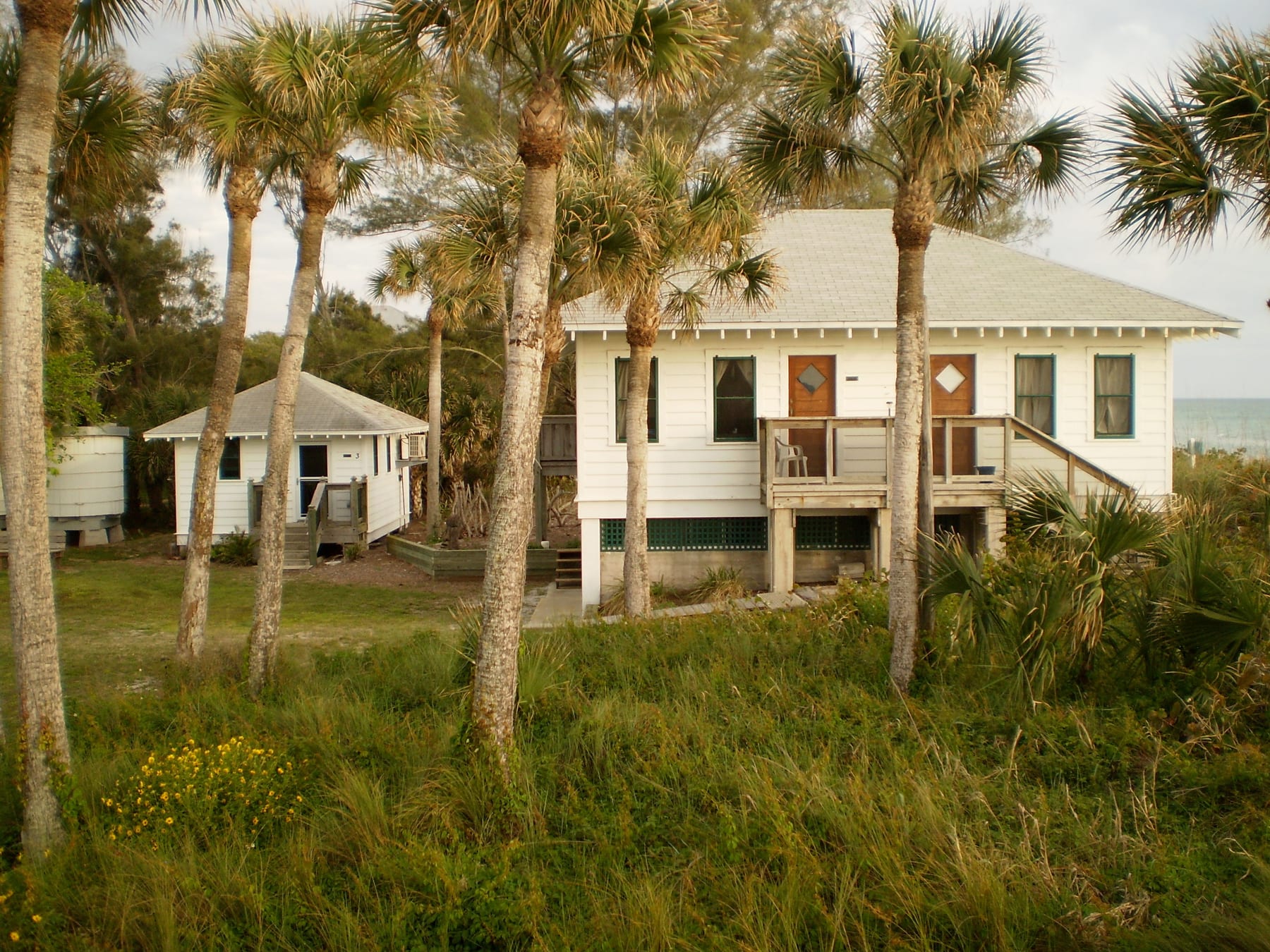
Remnant Church has restored showers, laundry, clothing and meal services for homeless residents at its Ashton Road property, setting up a confrontation with Sarasota County over whether the outreach is protected religious exercise or a prohibited land use.
Church leaders say they will challenge the county’s zoning violation notice rather than comply with a December deadline to end the services, Suncoast Searchlight reported. They argue that caring for homeless people is an essential part of their faith.
The standoff could test the reach of the Religious Land Use and Institutionalized Persons Act (RLUIPA). The federal law bars governments from imposing land-use rules that place a "substantial burden" on religious exercise. A government must show a compelling interest pursued in the least restrictive way to overcome that protection.
Pastor Frank Burns and his wife, Tammy Burns, director of the church's homeless ministry, founded Remnant Church and its Remnant Cafe in 2015. The church and cafe moved to the Ashton Road property in 2017. Tammy Burns told Searchlight the couple has always considered serving homeless people an essential part of their faith.
"We're doing what we're called to do," Tammy Burns said, according to Searchlight. "To not do what God called us to do would be sinful."
The county issued the violation notice Aug. 28 after a neighbor's complaint. Christine Nordstrom, president of the Ashton Enclave Condominiums homeowners association across the street, filed the complaint after she said she witnessed a man defecate behind a neighbor's home. She called it the last straw after years of safety concerns tied to the church's clients, Searchlight reported.
Nordstrom said she does not buy the church's religious liberty argument, telling Searchlight that religion "is literally an afterthought of their mission." She said the neighborhood was calmer during the roughly three and a half weeks when the church scaled back services in September.
The county's zoning code allows Remnant to operate as a church with a special exception. Social service operations are not permitted in the single-family residential zone, even with an exception, according to Searchlight's review of county records.
The county declined to comment on the case beyond sharing basic process information, Searchlight reported.
The church has dropped its zoning lawyer and is seeking a constitutional attorney, Tammy Burns told Searchlight. No special magistrate hearing had been scheduled as of Searchlight’s Oct. 14 report, county officials told the publication.
The dispute has drawn outside attention. Tiffany Dunkin, associate counsel with First Liberty Institute, urged Sarasota County to withdraw its violation notice. First Liberty represents a Kentucky religious organization in a RLUIPA case over a proposed shrine now before the U.S. Supreme Court.
First Liberty does not represent Remnant.
The Supreme Court has not interpreted what constitutes a substantial burden under RLUIPA in the land-use context, according to the National Association of Attorneys General. Lower courts have applied the law in similar disputes. In 2016, the 9th U.S. Circuit Court of Appeals reversed a denial of a preliminary injunction sought by Harbor Missionary Church in Ventura, California, and returned the case for further proceedings. The church had been denied a permit for its homeless ministry.
Denise Harle, a Florida State University law professor and director of the school's First Amendment Clinic, told Searchlight the law should still apply to Remnant's case. The property is zoned to operate a church, and Harle pointed to Supreme Court decisions holding that governments cannot limit what counts as religious activity.
The church plans to present its religious freedom argument to a county special magistrate before pursuing a possible court appeal or lawsuit, according to Searchlight.


.jpg)