A new Florida requirement for heart screenings of first-time high school athletes has already uncovered potentially serious conditions in teenagers. Sarasota County families can get their students screened for $20 at an upcoming event at Sarasota High School.
The Second Chance Act, Senate Bill 1070, took effect July 1, 2025, after Gov. Ron DeSantis signed it that year. The ECG screening requirement began with the 2026-27 school year.
Under the law, the first time a student in grades 9 through 12 participates in or tries out for interscholastic athletics, the student must complete at least one electrocardiogram, or ECG, screening, with certain exceptions. The requirement applies before participation in practices, tryouts, workouts, conditioning or competition.
Florida became the first state to require the screenings for high school athletes, according to WWSB.
Sarasota High hosts $20 screenings Oct. 14
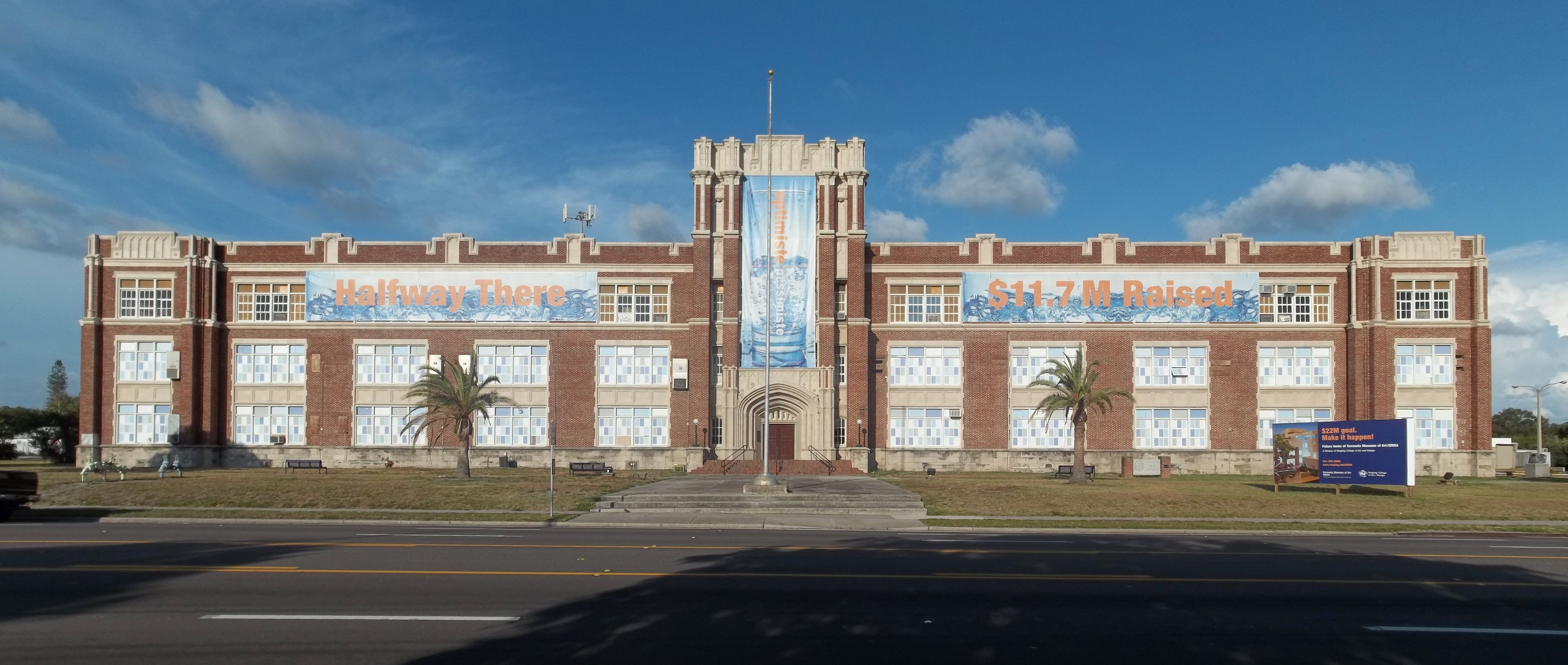
Sarasota County Schools has scheduled its next local screening for Wednesday, Oct. 14, from 4 to 6 p.m. at Sarasota High School.
The district partners with the nonprofit Who We Play For to provide the screenings for $20, with financial assistance available to qualifying families. The district has encouraged student-athletes to participate as part of its health and safety efforts.
An ECG is a quick, noninvasive test that records the heart's electrical activity and can help identify abnormalities that may otherwise go undetected.
Sarasota County Schools also scheduled screenings at Riverview High School on July 14 and Venice High School on Sept. 2. Another is planned for Dec. 2 at Wellen Park High School.
Screening uncovers Clearwater teen's heart defect
The new requirement has already led to potentially significant diagnoses.
Cameron Crider, a 15-year-old sophomore at Calvary Christian High School in Clearwater, learned through an ECG screening that he had an atrial septal defect, a congenital condition involving openings in the wall between the heart's upper chambers.
Crider, who plays football and basketball, had experienced no symptoms despite playing sports for years. He was scheduled to undergo heart surgery in October, the Englewood Review reported.
Who We Play For estimates that about one in 300 young people has a detectable, potentially life-threatening heart condition.
The nonprofit has estimated that among 100,000 Florida students screened, about 300 could be found to have potentially life-threatening heart conditions.
Law honors athlete who died during football game
The Second Chance Act is named for Chance Gainer, an 18-year-old Port St. Joe High School football player who collapsed during a Sept. 6, 2024, game and died after suffering sudden cardiac arrest.
Gainer's death helped spur the push for mandatory screenings, as Your Observer reported.
Sarasota County schools began offering low-cost screenings before the statewide requirement took effect. Riverview High School partnered with Who We Play For for a countywide $20 screening event May 13 and offered another July 14 ahead of the 2026-27 athletic year.
Riverview baseball coach Mark Sobolewski, who grew up in Sarasota and lost a childhood acquaintance to sudden cardiac arrest at a local Little League, encouraged his players to be screened regardless of whether the new law required it.
"You never know. You could feel fine, you could have no history of anything, but we don't want to mess around with anything — much less, your heart," Sobolewski told Your Observer in July.
Who must get an ECG under Florida law
Beginning with the 2026-27 school year, the requirement applies the first time a student in grades 9 through 12 participates in or tries out for an interscholastic athletic team.
That means sophomores, juniors and seniors who previously participated in interscholastic athletics generally are not required to obtain a new ECG solely because of the law.
Sarasota Christian athletic director Jacob Spenn told Your Observer in July that his school needed ECG documentation from about 50 students rather than the roughly 200 it would need if the requirement applied to every athlete.
An ECG completed within two years before the 2026-27 school year can satisfy the requirement. Students who receive abnormal results cannot participate in tryouts, practices or competition until they submit written medical clearance from an appropriate health care practitioner.
The law also provides exceptions for certain students, including those whose parents object in writing on religious grounds and those who receive a medical exception from a physician. A student also is exempt if the student's school district cannot secure a public or private partnership providing ECGs for less than $50 per student.
Venice graduate awaits heart transplant after separate screening
The importance of cardiac testing has also drawn attention in Sarasota County because of Venice High School graduate Johnnie "DJ" Jones, a freshman offensive lineman at Missouri.
Jones was placed on a heart transplant list after university medical staff detected a heart issue during routine intake testing. Missouri coach Eli Drinkwitz announced Jones' condition Tuesday, Oct. 6, according to the Sarasota Herald-Tribune.
Jones' condition was discovered through college medical testing and was not connected to Florida's Second Chance Act.
Who We Play For also has partnered with Myelai and Unless Health on a screening program at Quest Diagnostics' Sheldon Road location in Tampa. The pilot program aims to screen up to 1,000 students through late November.





.jpg)