The Sarasota Audubon Society has inserted itself into two separate court battles over D.R. Horton's plans to build on Smith Farm, the Raymond Road property bordering the more-than-400-acre Celery Fields bird sanctuary.
The conservation group announced July 29 that it obtained intervenor status in both cases, positioning itself as a legal party alongside Sarasota County in fighting the national homebuilder's development push.
The stakes extend well beyond one parcel. If the county loses the broader Live Local Act fight, apartment complexes could advance across rural and residential land where development has historically been limited to low-density neighborhoods and farms, according to Suncoast Searchlight.
Two lawsuits, one property
The first case dates to August 2025, when D.R. Horton and the Smith family filed a Writ of Certiorari challenging the County Commission's denial of rezone petition RZ 23-30. That petition sought approval for a 126-home subdivision next to Celery Fields. The developer claims the denial was unauthorized.
Sarasota Audubon retained legal counsel, won intervenor status, and filed a brief presenting testimony from the original public hearing to the judge, according to the group's website.
The second lawsuit is larger in scale. D.R. Horton applied to build 864 apartments in buildings up to 65 feet tall on the same property under Florida's Live Local Act, which allows qualifying multifamily projects to bypass elected officials and public comment. The County Commission voted unanimously in April to determine that properties zoned Open Use Estate and Open Use Residential do not qualify as commercial use under the act.
Four developers, including D.R. Horton, sued the county in response.
The county's legal argument
Deputy County Attorney David Pearce filed a 34-page brief arguing the statute excludes open-use districts because they are not primarily zoned for commercial, industrial, or mixed-use projects. Developers counter that limited commercial activity already permitted in those zones, such as veterinarian clinics and plant nurseries, should trigger Live Local eligibility.
County Attorney Joshua Moye warned commissioners the fight would be "an uphill battle given the strict language of the Live Local Act" when they voted to block the projects.
What's at risk
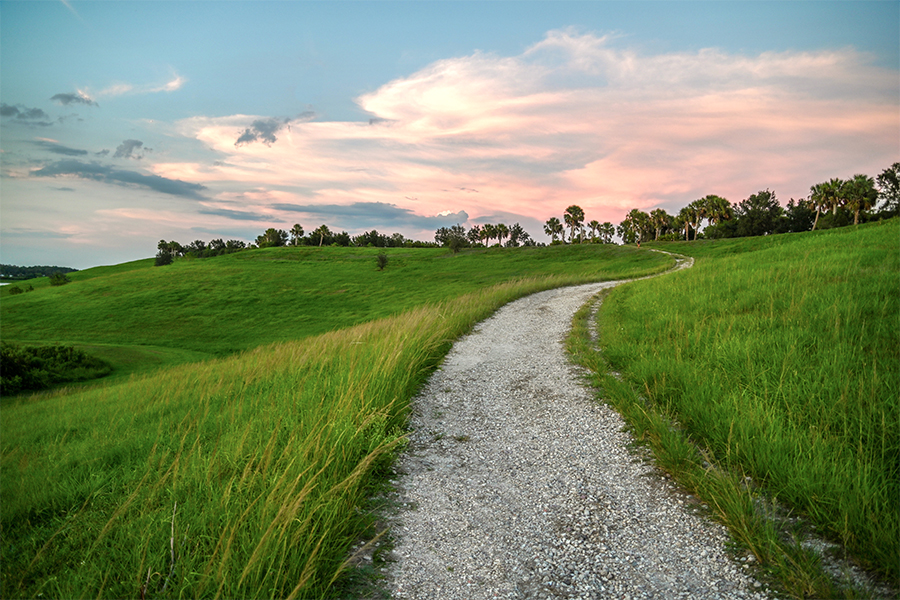
Celery Fields was created in the 1990s as Sarasota County's primary stormwater collection zone to control flooding along Phillippi Creek. The marsh, ringed by towering oak trees, has drawn more than 240 bird species since official counts began in 2001.
"There is evidence that if there is development, the birds will flee," Sarasota Audubon President Sara Reisinger told Suncoast Searchlight in June.
A coalition of seven local organizations, including Sarasota Audubon, CONA, Big Waters Land Trust, and Protect Siesta Key Inc., published a joint letter in the Sarasota Herald-Tribune on July 24 calling the Live Local Act a wrecking ball and backing the commissioners' stance.
Across the county, developers filed 17 applications for high-density projects on rural and residential land before a July 1 deadline tied to a 2025 legislative amendment. Those applications would add more than 2,300 apartments, pushing the total units caught in the dispute past 5,000.
What comes next
No hearing dates for either lawsuit have been publicly announced. Sarasota Audubon said it plans to participate in the Live Local litigation "as feasible" and is investigating additional legal avenues. D.R. Horton has not issued a public statement on either case.